Archive Policy

Preservation • Continuity • Long-Term Access

Archiving Policy

Innovation Midwifery and Child Health Practice (IMCHP)

Policy for preservation, continuity, recovery, metadata persistence, and long-term accessibility.

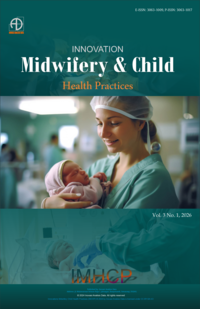
IMCHP Journal Cover
Digital Preservation Policy

Commitment to Long-Term Scholarly Access

Innovation Midwifery and Child Health Practice (IMCHP) is committed to preserving the integrity, accessibility, authenticity, and long-term usability of its published scholarly record. The journal recognizes that digital preservation extends beyond website availability and therefore combines platform-level retention, metadata persistence, publisher continuity procedures, author self-archiving rights, and external preservation services where such services are formally enabled.

The objective of this policy is to reduce the risk of permanent content loss arising from technical failure, platform migration, cybersecurity incidents, organizational change, or other disruptions affecting the journal's primary publication environment.

Preservation Principles
✓ Persistent access to published content ✓ Preservation of article metadata and identifiers
✓ Controlled backup and recovery procedures ✓ Format migration and platform continuity
✓ Author self-archiving and repository deposit ✓ Transparent disclosure of active preservation services

1. Purpose of Archiving

IMCHP preserves published articles and associated scholarly metadata so that the scientific record remains identifiable, retrievable, citable, and usable over time. Preservation activities are intended to support research continuity, citation reliability, scholarly verification, and continued public access to the journal's Version of Record.

2. Primary Journal Platform and Content Retention

IMCHP is published through Open Journal Systems (OJS). The journal platform maintains the primary online publication record, including article files, issue structures, bibliographic metadata, editorial records, and related journal content.

Platform availability alone is not treated as equivalent to independent digital preservation. The journal therefore supplements primary hosting with continuity, backup, metadata, and repository measures described in this policy.

3. Backup and Recovery

The publisher is responsible for maintaining operational backup and recovery procedures appropriate to the journal's technical infrastructure. Preservation planning should include, where technically available:

  • regular backup of the OJS database;
  • backup of article files, supplementary files, journal images, and configuration data;
  • separation of working copies from backup copies where feasible;
  • controlled restoration procedures following data corruption, server failure, or accidental loss;
  • periodic verification that archived files remain readable and recoverable.

4. DOI and Metadata Persistence

IMCHP assigns Digital Object Identifiers (DOIs) and deposits article metadata with Crossref as part of its publication workflow. DOI registration contributes to persistent identification, citation linking, and metadata discoverability.

Important distinction: DOI registration and metadata deposit improve persistence and discoverability, but they are not by themselves a substitute for preservation of the article's full-text files.

5. External Digital Preservation Services

IMCHP may participate in recognized digital preservation services or preservation networks appropriate to OJS and scholarly publishing. Examples may include PKP Preservation Network, LOCKSS/CLOCKSS, Portico, institutional preservation services, or other trusted repositories.

A service is identified publicly as an active IMCHP preservation mechanism only after participation, deposit, or preservation coverage has been formally enabled or verified. The journal does not represent a preservation platform as active solely because the service exists or is technically compatible with OJS.

Preservation Status Transparency

When an external preservation arrangement becomes active, IMCHP may update this page to identify the service and provide a verifiable link or coverage information. This approach ensures that archiving claims on the journal website remain accurate and auditable.

6. Author Self-Archiving and Repository Deposit

In accordance with IMCHP's Open Access and Copyright & Licensing policies, authors may deposit manuscript versions in appropriate institutional, disciplinary, funder, or personal scholarly repositories.

Version Repository Deposit Embargo
Preprint Permitted None
Accepted Manuscript Permitted None
Version of Record Permitted with citation and DOI to the IMCHP publication None

7. File Integrity, Format Migration, and Platform Change

Where future technical changes make a publication format obsolete or inaccessible, IMCHP may migrate preserved content into newer formats while maintaining the scholarly content, bibliographic identity, authorship, DOI, and publication history of the Version of Record.

Migration to a new website, domain, OJS version, hosting provider, or publication platform should preserve DOI resolution, article metadata, issue structure, and access to published files wherever technically possible.

8. Business Continuity and Disaster Recovery

In the event of server failure, cyber incident, accidental deletion, platform discontinuation, or other disruption, the publisher should prioritize restoration of the journal website, article files, metadata, DOI links, and editorial records from available backup or preservation copies. Major migrations or disruptions should be managed so that published content remains identifiable and citable.

9. Preservation of Corrections and the Scholarly Record

Archiving does not mean that the scholarly record is immutable. Corrections, expressions of concern, retractions, removals in exceptional circumstances, and other post-publication notices are preserved and linked to the affected article in accordance with the IMCHP Publication Ethics policy. Where an article is retracted, the bibliographic record should normally remain available with an appropriate retraction notice rather than simply disappearing from the archive.

10. Open Access to Archived Content

Published IMCHP content remains openly accessible in accordance with the journal's Gold Open Access model and applicable Creative Commons license. Preservation and repository mechanisms are intended to support continuity of access, not to introduce subscription barriers to archived scholarly content.

11. Policy Review and Updates

This Archiving Policy is reviewed periodically and may be updated when the journal adopts new preservation services, changes hosting infrastructure, migrates platforms, modifies licensing arrangements, or introduces additional continuity measures. Material changes should be reflected transparently on the official IMCHP website.

Preservation, Indexing, and Dissemination Are Different Functions

Search engines, academic social networks, citation databases, and indexing services can increase discovery and dissemination but should not automatically be described as long-term digital preservation systems. IMCHP therefore distinguishes preservation infrastructure from services used primarily for indexing, metadata discovery, networking, or article promotion.

Related Journal Policies

Policy Integration

This policy should be read together with the IMCHP Open Access Statement, Copyright & Licensing Policy, Publication Ethics, and Publication Process.

© 2026 Innovation Midwifery and Child Health Practice (IMCHP)

Published by PT. Inovasi Analisis Data • E-ISSN 3063-1009 • P-ISSN 3063-1017